
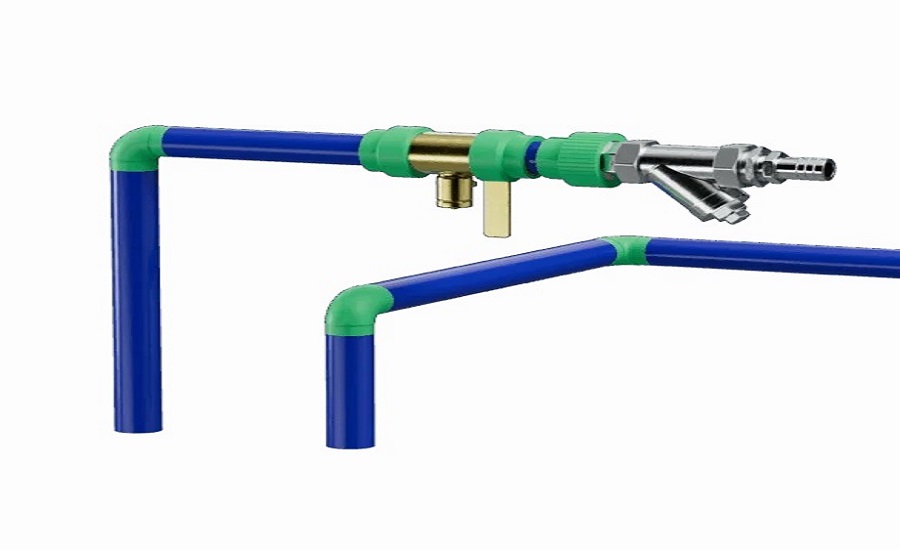
The demands of modern computing are pushing traditional thermal systems to their limits. As workloads like AI, machine learning, and real-time analytics continue to expand, heat generation in servers has increased significantly. This is where direct liquid cooling servers are transforming infrastructure design. Instead of relying solely on air, these systems use highly efficient liquid-based heat-transfer methods to maintain optimal performance. The result is better energy control, improved hardware lifespan, and more stable computing environments.
Table of Contents
- What Are Direct Liquid Cooling Servers?
- How Direct Liquid Cooling Technology Works
- Key Benefits
- Components Behind the Technology
- Comparison with Traditional Air Cooling
- Use Cases in Modern Infrastructure
- Role of Advanced Server Cooling Solutions
- Implementation Considerations
- Challenges in Adoption
- Future of Liquid Cooling in Data Centers
- FAQ
- What makes direct cooling servers different from traditional cooling methods?
- Why are liquid loop cooling systems important in modern data centers?
- Are direct liquid servers suitable for AI workloads?
- How do advanced server cooling solutions improve efficiency?
- What is the main advantage of using liquid-based cooling in servers?
- FAQ
- Conclusion
What Are Direct Liquid Cooling Servers?
Direct liquid cooling servers are systems designed to transfer heat directly from electronic components using a specialized coolant. Unlike conventional air-based systems, this method targets heat at the source. This approach is part of modern direct liquid cooling technology, which is rapidly gaining adoption in high-density computing environments. By eliminating reliance on large air circulation systems, data centers can operate more efficiently and reduce thermal bottlenecks.
How Direct Liquid Cooling Technology Works
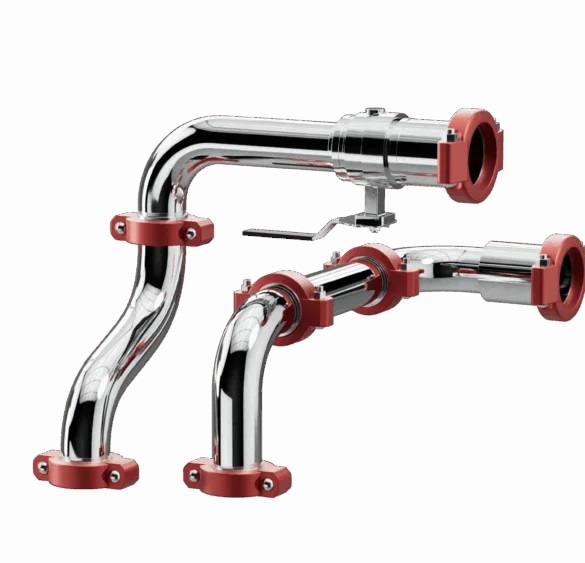
At its core, this cooling method uses liquid to absorb heat directly from processors and critical components.
Direct Heat Absorption
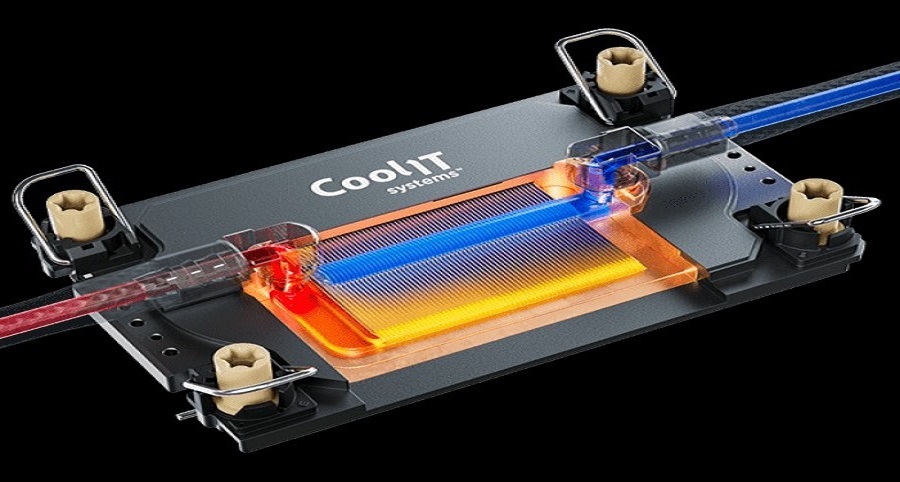
Coolant flows through cold plates attached to high-heat components. This allows immediate heat transfer away from the hardware.
Liquid Loop Cooling Systems
A closed-loop system circulates heated fluid away from servers to a heat exchanger, where it is cooled and recirculated. These liquid loop cooling systems ensure continuous and controlled temperature regulation.
Efficient Thermal Exchange
Because liquid conducts heat more effectively than air, this process reduces thermal resistance and improves cooling speed.
Key Benefits
Improved Energy Efficiency
These systems significantly reduce the energy required for cooling infrastructure, making them a strong option for modern data centers.
Higher Performance Stability
By maintaining consistent operating temperatures, servers can sustain peak performance without thermal throttling.
Space Optimization
Without the need for large air-cooling equipment, facilities in Canada can allocate more space to computing hardware.
Support for High-Density Workloads
AI, HPC, and cloud computing environments benefit greatly from advanced server cooling solutions that effectively manage extreme heat loads.
Components Behind the Technology
- Cold Plate Systems: Cold plates sit directly on heat-generating components, enabling rapid heat transfer into the coolant.
- Pumping Mechanisms: These ensure coolant movement throughout the system at controlled pressure levels.
- Heat Exchangers: They transfer heat from the liquid to external cooling sources for dissipation.
- Monitoring Systems: Sensors track temperature and flow rates to ensure system efficiency and safety.

Upgrade your infrastructure today with next-generation cooling solutions for unmatched performance and efficiency.
Comparison with Traditional Air Cooling
Air cooling relies on fans and airflow, which becomes inefficient at high densities.
- Faster heat removal
- Reduced energy consumption
- Lower noise levels
- Better scalability for dense systems
This shift is driving widespread adoption in modern infrastructure planning.
Use Cases in Modern Infrastructure
AI and Machine Learning Systems
AI workloads generate intense heat, making liquid-based systems essential for stability.
High-Performance Computing
Scientific simulations and data modeling benefit from consistent thermal control.
Cloud Data Centers
Large-scale cloud platforms use these systems to improve operational efficiency and reduce cooling costs.
Role of Advanced Server Cooling Solutions
They combine intelligent monitoring, liquid flow control, and energy optimization to maintain peak efficiency. Companies like CoolIT Systems are driving innovation in this space by developing scalable thermal management technologies that meet next-generation computing demands. Advanced server cooling solutions are becoming central to infrastructure design.
Implementation Considerations
Adopting this technology requires careful planning:
- Compatibility with existing infrastructure
- Maintenance and monitoring requirements
- Integration with hybrid cooling systems
- Long-term energy efficiency goals
Proper design ensures maximum return on investment and operational reliability.
Challenges in Adoption
While highly effective, there are considerations:
- Higher initial setup complexity
- Need for specialized maintenance
- Integration with legacy systems
However, long-term efficiency gains often outweigh these challenges.
Future of Liquid Cooling in Data Centers
The future of computing is increasingly tied to thermal innovation. As processing power continues to grow, direct liquid cooling servers will likely become a standard in high-performance environments. Continuous advancements in direct technology and system design will further improve efficiency, scalability, and sustainability.
FAQ
What makes direct cooling servers different from traditional cooling methods?
They use liquid rather than air to directly absorb heat from components, resulting in faster, more efficient thermal management.
Why are liquid loop cooling systems important in modern data centers?
They provide continuous coolant circulation, ensuring stable temperatures and preventing overheating in high-density environments.
Are direct liquid servers suitable for AI workloads?
Yes, they are highly effective for AI workloads because they can handle the extreme heat generated by intensive processing.
How do advanced server cooling solutions improve efficiency?
They optimize heat transfer, reduce energy usage, and allow higher computing density without overheating risks.
What is the main advantage of using liquid-based cooling in servers?
The primary advantage is superior heat-transfer efficiency, which leads to improved performance stability and reduced energy consumption.
Conclusion
Liquid cooling servers represent a major shift in how modern infrastructure handles heat and performance demands. By integrating efficient cooling systems, businesses can achieve better scalability and long-term reliability. Whether upgrading existing facilities or building new ones, exploring this technology is a smart step forward. Find nearby services in Canada for expert guidance in advanced cooling deployments. CoolIT Systems continues to support innovation in this space with reliable engineering expertise.